Pest-Proofing Your Home: Room-by-Room Checklist
A room-by-room checklist to keep ants, mice, roaches and other pests out: seal entry points, fix moisture, store food right and tidy the yard.
 Save
The best pest control is the kind you never need: pests move in where they find food, water, shelter and an open door. Work through your home room by room, close the gaps, dry out damp spots, lock up food and tidy the yard, and most common pests lose their reasons to stay.
Quick answer
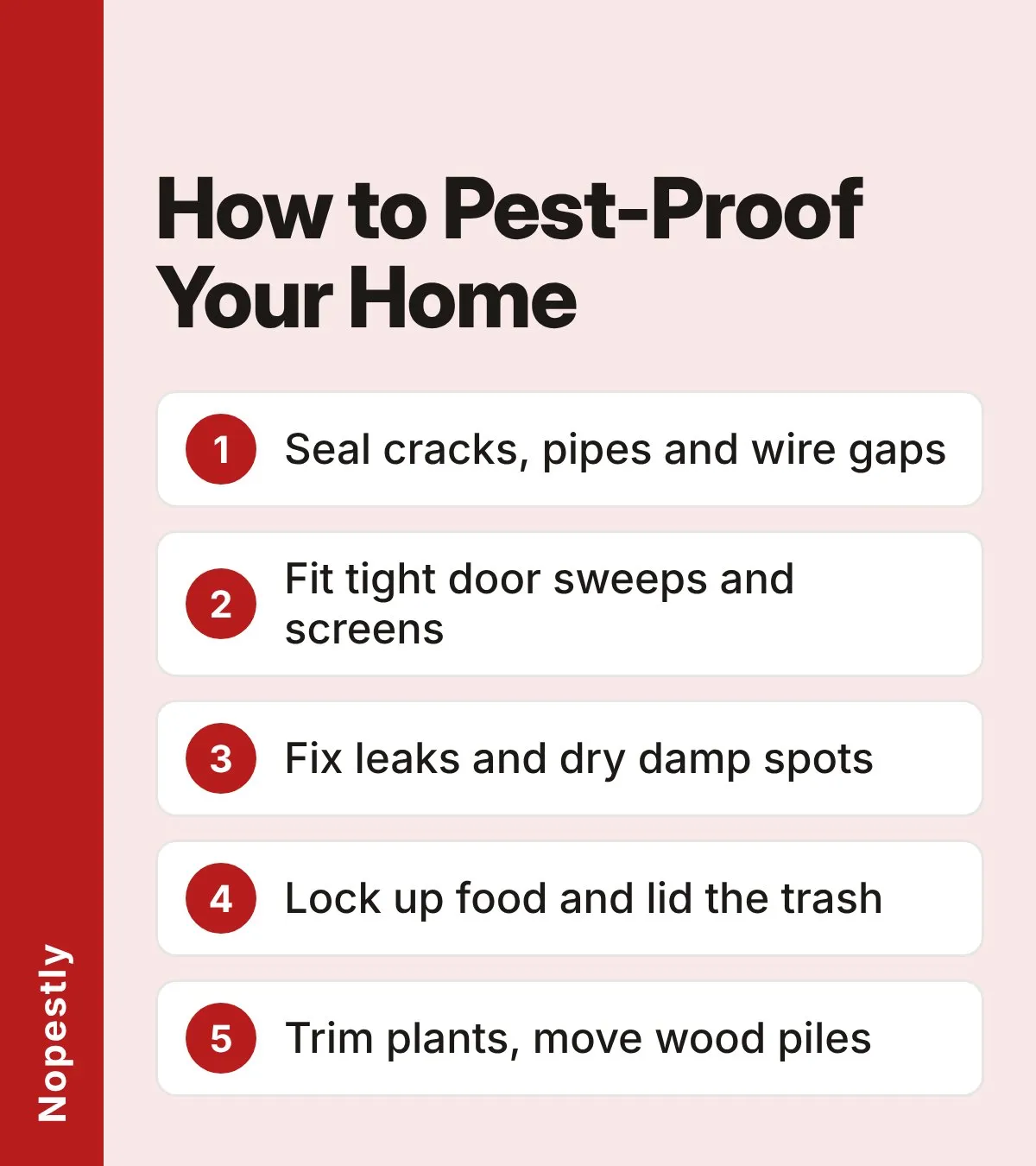
- Seal gaps around pipes, wires, windows, doors and vents.
- Fix leaks and dry damp areas.
- Store all food, including pet food, in sealed containers.
- Keep trash lidded and clutter low.
- Trim plants and move wood piles away from the house.
- Inspect every season and act on the first sign.
Why prevention works better than treatment
Pests need the same things you do: food, water and a safe place to live. The US Environmental Protection Agency (EPA) describes a “seal them out, dry them out, starve them out” approach, and its integrated pest management (IPM) guidance for buildings lists sanitation, moisture control, landscaping and regular inspection as the foundation. When those are handled, you may need fewer sprays and traps. If you do see signs of a problem, see our guides on getting rid of mice in your house and getting rid of ants in the kitchen.
What you need
- A flashlight and a notebook or phone to record problem spots
- Caulk: non-elastomeric for gaps 1/4 inch or smaller, elastomeric sealant for larger ones
- Copper or stainless steel mesh (wool) for bigger gaps, plus patching compound
- Door sweeps and replacement screens
- Hardware cloth (wire mesh) for vents
- Airtight food containers and lidded trash cans
- Gloves and eye protection
How big a gap matters
A pest-proofing guide from Pacific Northwest National Laboratory lists the largest openings different pests can use. Use it to decide what to seal first.
| Pest | Approximate opening it can pass |
|---|---|
| Termites | About 0.6 mm |
| Cockroaches | About 1.66 mm |
| Fruit flies | About 2.1 mm |
| Mice and bats | 6 mm (1/4 inch) |
| Rats | 1/2 inch |
| Sparrows and starlings | 3/4 inch |
| Pigeons | 2 inches |
Small insects can use hairline cracks, so liquid sealer or caulk matters as much as steel mesh does for rodents.
Step-by-step: pest-proof your home
| Step | What to do |
|---|---|
| 1 | Check the outside walls and foundation. Walk around the house with a flashlight and look for cracks, missing mortar and gaps where different materials meet. Seal small gaps with caulk and fill larger ones with metal mesh covered with patching compound. |
| 2 | Seal around pipes and wires. Look where utilities enter the house, under sinks and behind the dryer. Stuff gaps with copper or stainless steel mesh, then seal. Escutcheon plates, metal flashing or gaskets give a neat, lasting finish. |
| 3 | Fix doors. Check for daylight under closed doors. Keep the gap between the door bottom and threshold under 1/4 inch, and fit a tight bristle or metal-and-rubber sweep. Vinyl can be chewed through. |
| 4 | Screen windows and vents. Repair torn window and door screens. Cover roof, soffit and crawlspace vents with 1/4-inch metal screening, and screen dryer vents carefully while keeping lint cleared to avoid a fire risk. |
| 5 | Fix moisture. Repair leaking taps (faucets), pipes and irrigation. Wipe up spills, empty water from plant saucers and clear gutters so water drains away from the house. |
| 6 | Lock up food. Keep opened cereal, flour and sugar in sealed containers. Store pet food and bird seed the same way, and do not leave pet bowls out overnight. |
| 7 | Handle trash and clutter. Use tight-fitting lids, empty cans often and clean them regularly. Rinse recyclables. Clear piles of newspaper, cardboard and bags, which give pests places to hide. |
| 8 | Tidy the yard. Trim branches back and leave a clear border around the foundation. Move firewood and wood piles away from the house and remove brush and rock piles. |
| 9 | Inspect every season. Repeat the walk-around each season, write down what you find and fix the gaps you missed. |
Room-by-room checklist
| Room or area | Check |
|---|---|
| Kitchen | Crumbs and spills wiped, dishes washed, food in sealed containers, gaps behind sinks and baseboards sealed |
| Pantry | Opened dry goods in containers, cardboard boxes cleared, shelves checked for droppings |
| Bathroom | Leaks fixed, damp areas dried, gaps around pipes sealed |
| Basement and crawlspace | Vents screened, clutter cleared, no pooling water, foundation cracks sealed |
| Garage | Door sweep tight, pet food and seed in sealed bins, boxes off the floor |
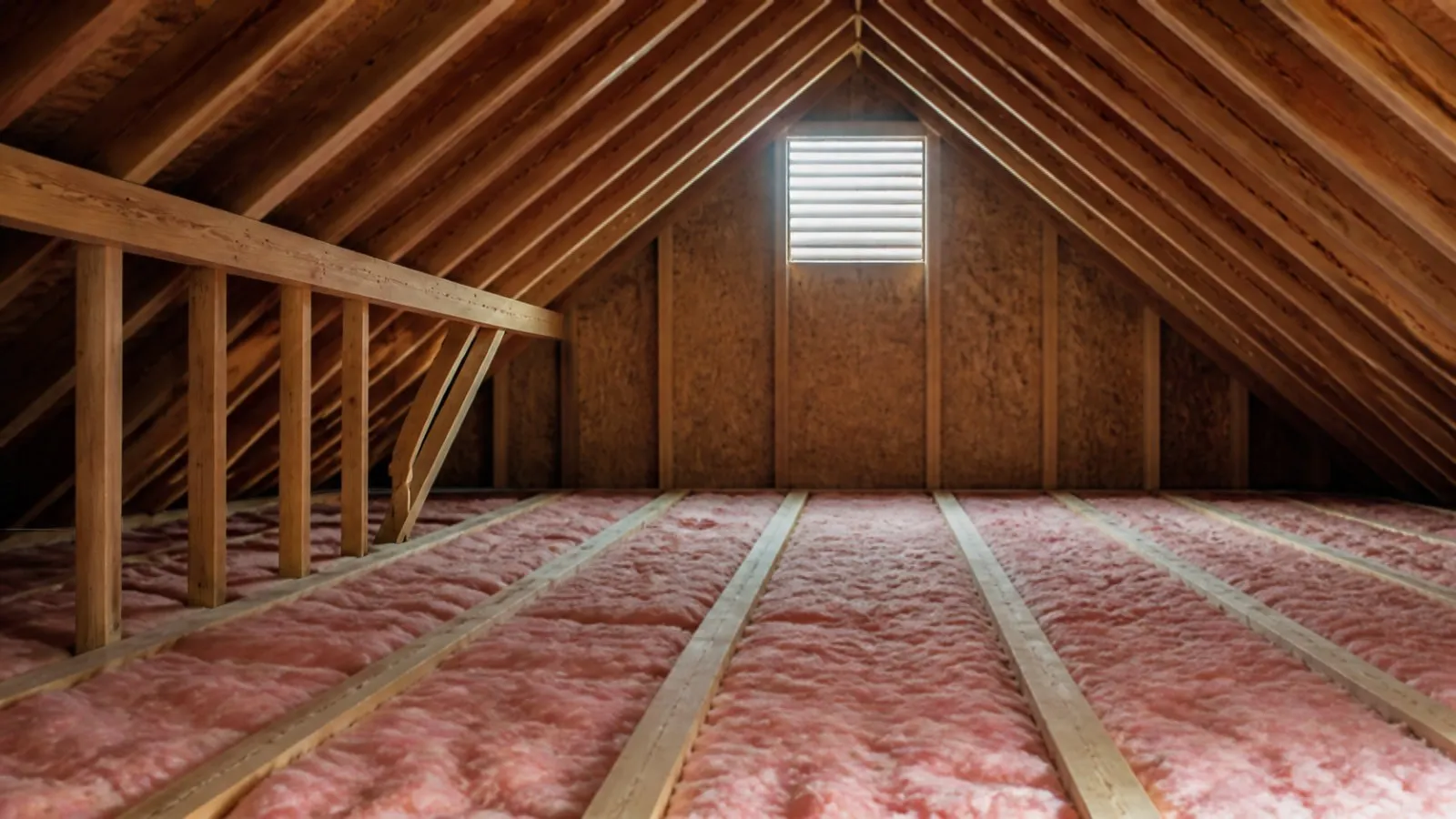
| Attic | Roof and soffit vents screened, gaps at the roofline closed, no nesting material |
| Yard | Wood piles moved away, branches trimmed, gutters clear, trash cans lidded |
Make it a habit
Pest-proofing is easier when it is part of your regular routine rather than a big weekend project. Pick one day each season, such as before cold weather, and walk the inside and outside of the house with a flashlight. Note any new gap, damp patch, torn screen or sign of activity, then fix it the same week. The EPA’s building guidance stresses careful, regular inspection and keeping simple records of what you find and what you did, so you can see whether your changes are working.
Start with the places that give pests the most for the least effort: the kitchen, the pantry, the garage and the gap under the main door. Food and water are the strongest attractions, so cleaning up crumbs, fixing a drip and sealing a bag of pet food often does more than any product. After that, move on to the less obvious spots such as the roofline, vents and crawlspace, where small gaps can go unnoticed for years.
If you share a building, such as an apartment, report leaks and large gaps to your building manager, because pests can travel between units through shared walls and pipes. Your own cleaning and storage habits still matter, and they protect you while repairs are made.
Common mistakes
- Sealing with the wrong material. Mice can chew foam alone and vinyl. Back foam with metal mesh, and use metal for door sweeps in high rodent areas.
- Fixing only the inside. Pests look for the easiest route, so inspect the outside and roofline too.
- Leaving water sources. A slow leak under a sink can attract pests even in a spotless kitchen.
- Storing food in cardboard. Roaches and rodents can get into boxes, so move food into sealed containers.
- Doing it once. Gaps open over time. Inspect each season, such as before cold weather.
- Reaching for sprays first. Prevention comes first in IPM. If you use any pesticide, read and follow the label and keep it away from children and pets.
When to call a professional
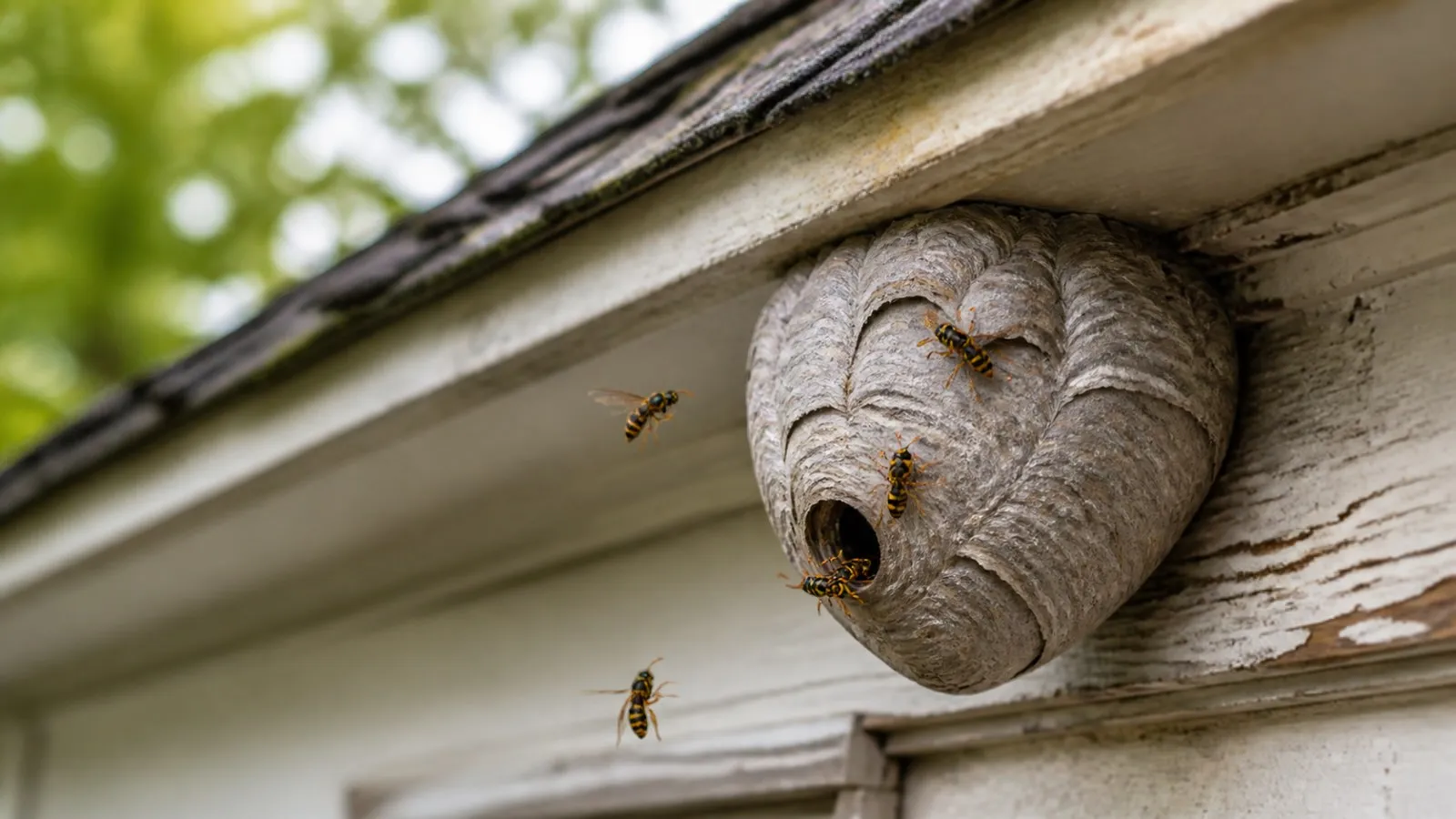
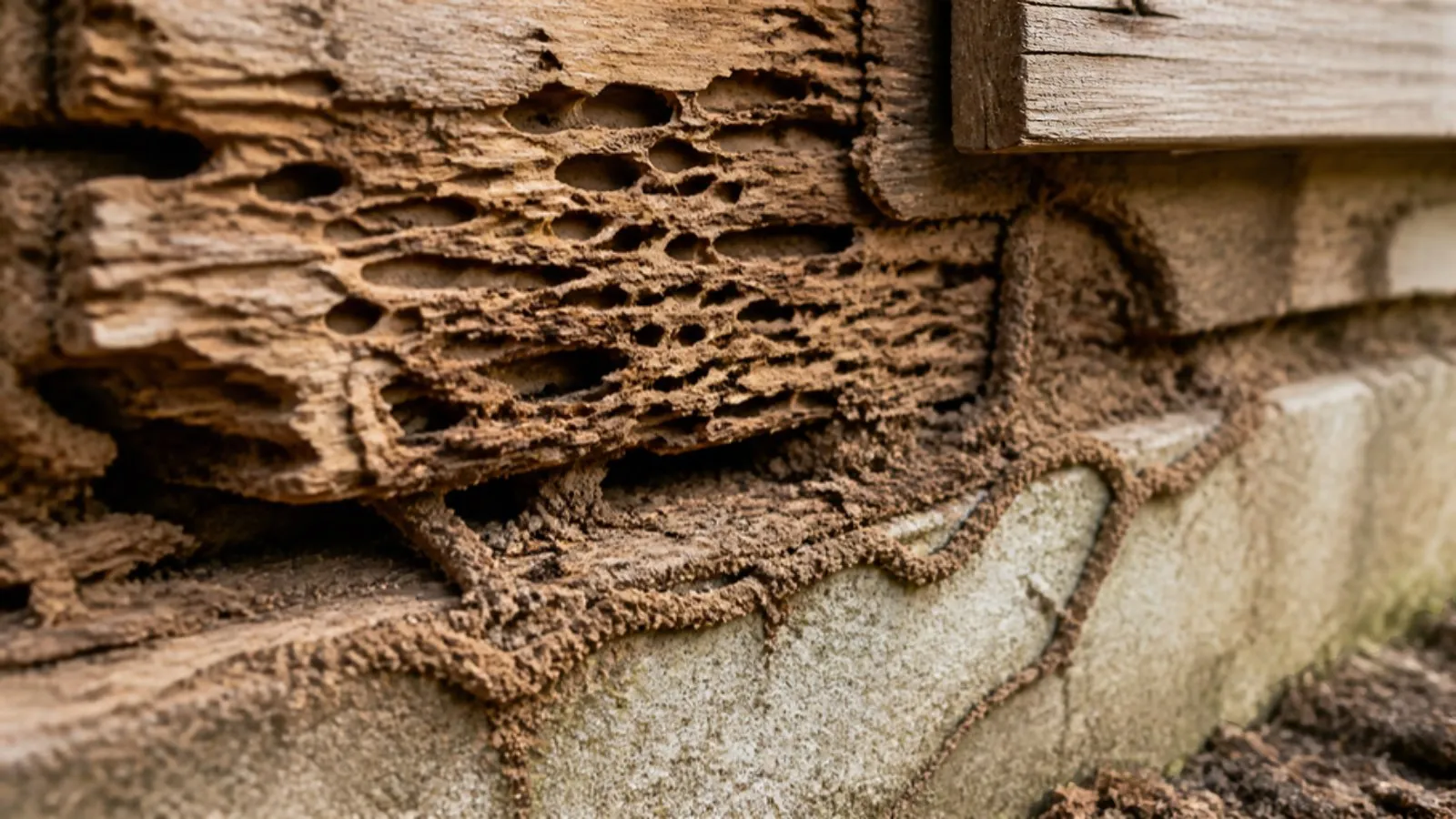
Call a licensed pest control professional if you see live pests after you have sealed and cleaned, if you find signs of termites such as mud tubes or hollow wood (see signs of termites in your house), or if you suspect bed bugs (see signs of bed bugs). Also get help for wasp nests in hard-to-reach spots, or where you or a family member are allergic to stings. Work on roofs and ladders carries its own risks, so hire help if you are not comfortable doing it.
Sources
 Save
Frequently asked questions
What is the most important step in keeping pests out?
Sealing entry points. Mice can squeeze through an opening about 1/4 inch (6 mm) wide, so closing gaps stops many pests before they need any treatment. It works best alongside removing food, water and clutter.
How often should I check my home for pest entry points?
Walk the inside and outside of your home at least once each season, and again after storms or repairs. Checking before cold weather is especially useful because rodents look for warm shelter.
Do I need pesticides to keep pests out?
Often not. Government guidance on integrated pest management puts prevention first: sealing, sanitation, moisture control and monitoring. Use pesticides only when needed, and follow the label exactly.
Where do pests usually get into a house?
Common routes are gaps around pipes and wires, worn door sweeps, torn screens, uncovered vents and cracks in the foundation. Gaps near the roofline and garage doors are easy to miss.