How to Get Rid of Ants: The Tools and Materials You Need
A practical kit for getting rid of ants: bait stations, gel bait, soapy water, airtight containers, caulk and more, with what each item is for.
 Save
To get rid of ants, you need bait that workers carry to the nest, a few cleaning supplies to remove food and scent trails, and caulk to close the gaps. Spray is rarely needed. This guide lists each item and what it is for, so you buy only what the job requires.
Key points
- Bait is the core tool. Slow-acting bait is carried back to the nest and can reach the queen, so it treats the colony and not just the ants you see.
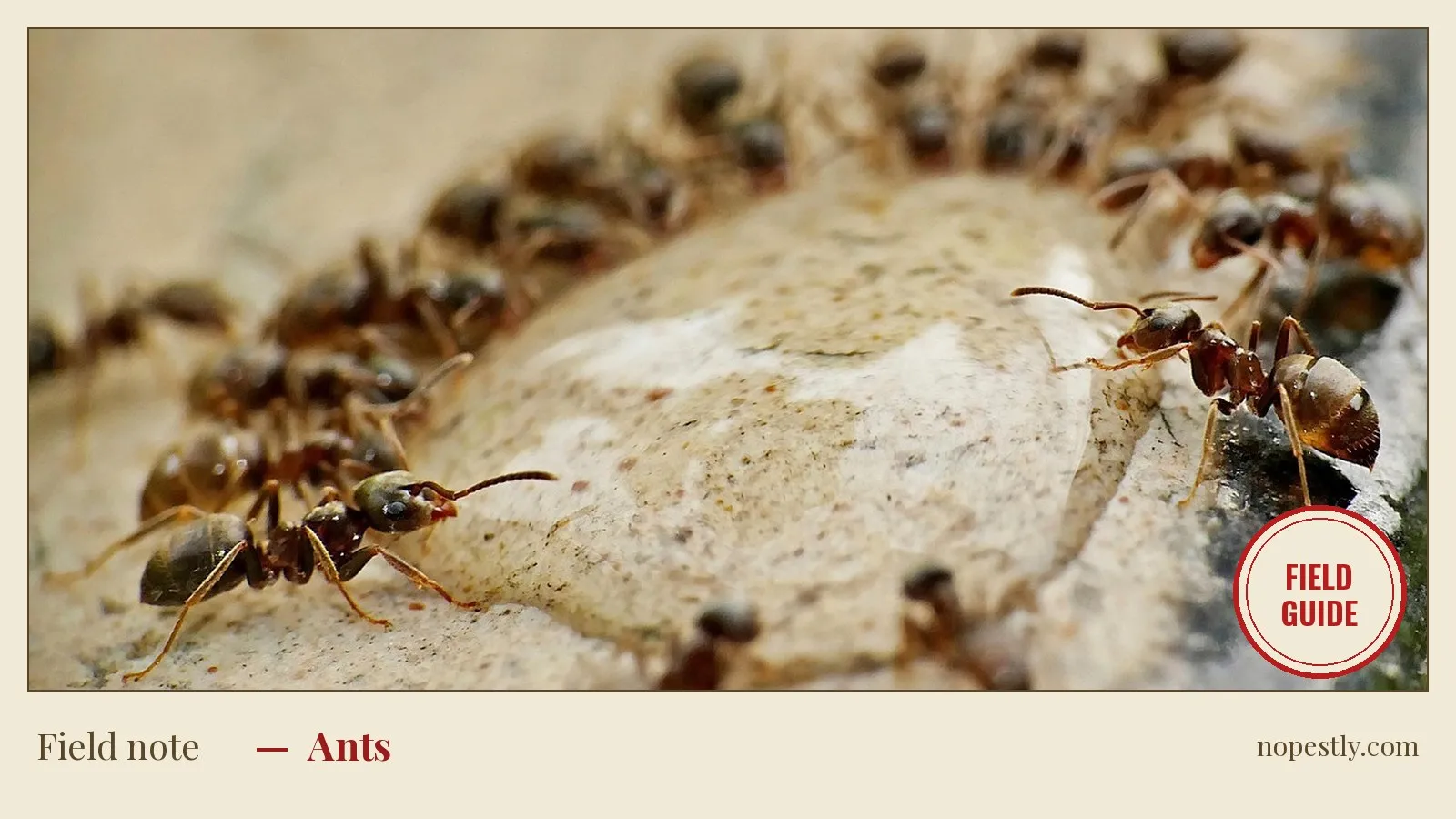
- Match the bait to the ants. Sweet baits suit some species, while protein or greasy baits suit others. Offering two types side by side shows which one they take.
- Keep sprays out of the kit. Indoor sprays are usually unnecessary, and sprays near bait can stop ants from feeding on it.
- Cleaning supplies matter. Soapy water removes scent trails, and airtight containers remove the food that keeps ants coming.
- Caulk comes last. Seal gaps once ant numbers have dropped, so the bait can still reach the colony.
- Timing counts. Baiting in late winter or early spring, before colonies grow, is the most effective.
Tools and materials
Use this list as a shopping and prep guide. Check each label and keep all products away from children and pets.
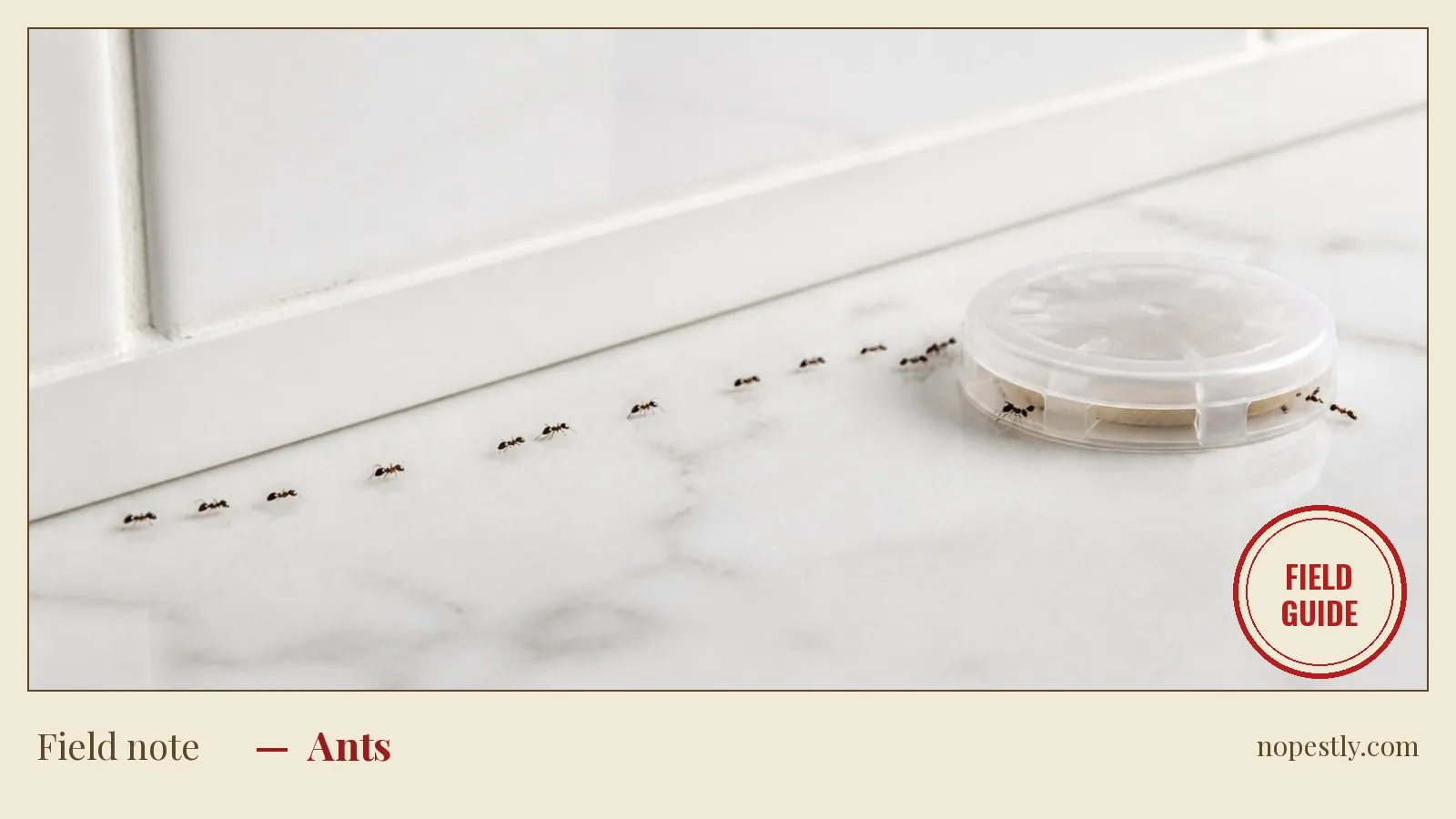
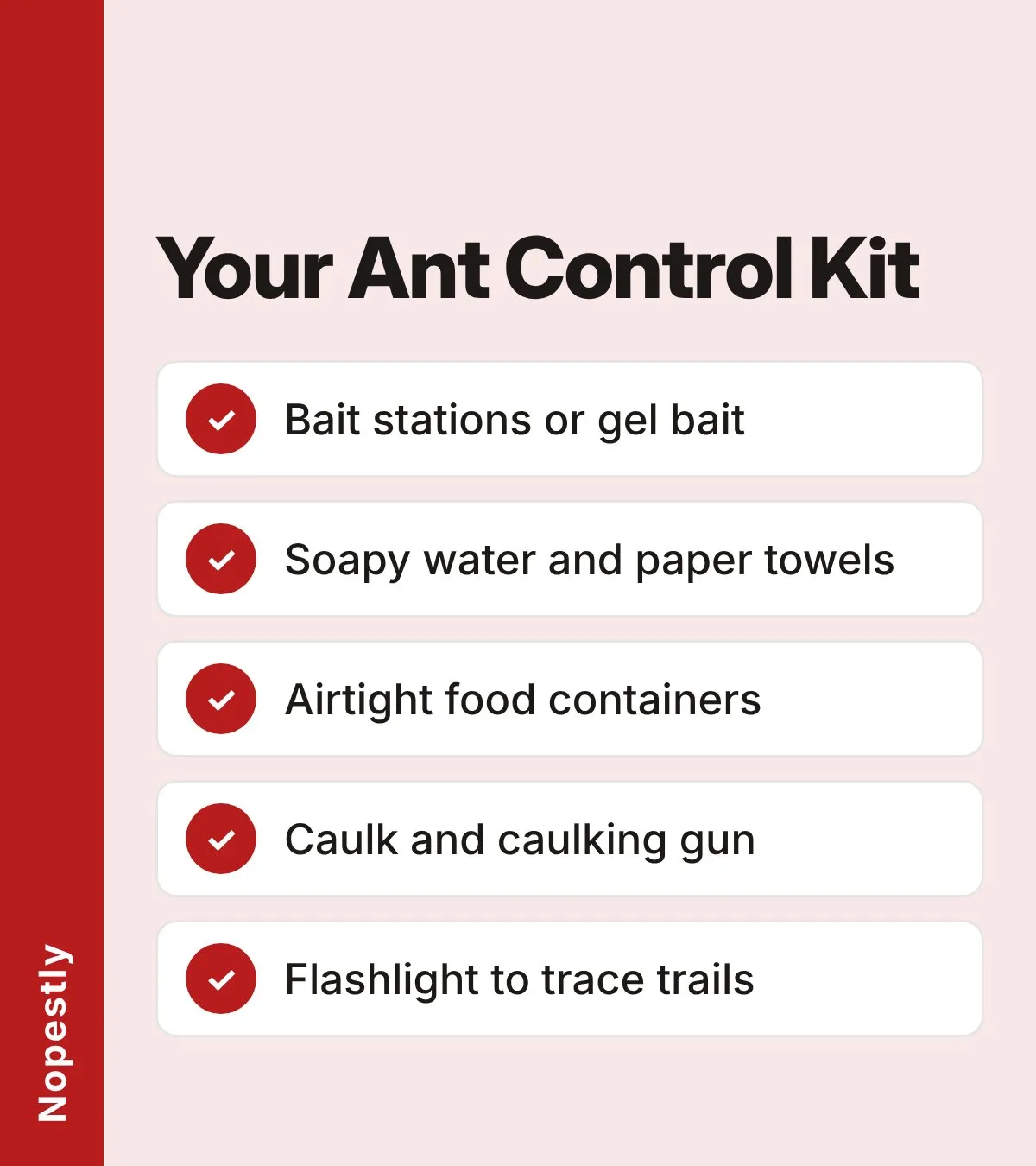
- Prepackaged bait stations. The easiest and safest option for home use. They hold bait inside a small enclosure. They can dry out quickly, so check them often and replace empty or dried-out ones.
- Gel bait. Goes into cracks and crevices where ants enter, in small dabs beside the trail. It suits kitchens well because it fits tight spots.
- Refillable bait stations. Better for severe problems, because you can top them up with fresh bait. Extension guidance describes liquid borate in sugar water in refillable stations for severe Argentine ant infestations.
- A second type of bait. Ant diets vary by species and season. Having a sweet and a protein or greasy bait lets you swap or offer both if the ants walk past the first one.
- Soapy water and paper towels. Used to wipe trails away from the bait. Wiping removes the scent that guides other ants. Do not wipe right at active bait spots.
- Airtight containers. For sugar, honey, cereal and pet food. Removing the food source makes the bait more attractive by comparison.
- Caulk and a caulking gun. For cracks around pipes, wires, windows and the foundation. Petroleum jelly works only as a temporary emergency plug.
- A flashlight. For tracing trails under the sink, along pipes and wires, inside cupboards and along baseboards.
- A lidded trash can and a vacuum. A lid keeps ants out of food waste, and a vacuum picks up scattered ants and crumbs.
- Sticky barrier for tree trunks (outdoors, if needed). A sticky coating on a trunk band stops ants climbing to foliage. Check it every one to two weeks and clean off debris and dead ants, which can form bridges.
Which tool for which job
| Job | Tool | Note |
|---|---|---|
| Reach the nest | Bait stations or gel bait | Place beside the trail, not on top of it |
| Severe problem | Refillable station | Top up with fresh bait |
| Remove scent trails | Soapy water | Keep away from bait spots |
| Remove food and water | Airtight containers, lid, leak repairs | Fix drips and dry the sink |
| Close entry points | Caulk | Do it after ant numbers drop |
| Stop climbing ants outdoors | Sticky barrier | Check every 1 to 2 weeks |
What to leave out of the kit
Fast-acting products can defeat the purpose. If the active ingredient kills workers quickly, they cannot carry it home, and the colony is left untouched. Extension guidance also advises against outdoor pyrethroid sprays on hard surfaces because they pollute waterways, and against sprays used while bait is in place. Outdoor perimeter sprays kill foragers but not the colony, and they can trap ants indoors.
Indoor baiting is best limited to serious infestations where you cannot find the entry point, since bait can attract more ants inside.
How to use the kit
Start by tracing the trail with the flashlight. Place bait stations or small dabs of gel beside the trail. Outdoors, space stations roughly every 10 to 20 feet (3 to 6 m) around the foundation and at nest openings, with at least one on each side of the house. Then clean elsewhere, store food airtight and wait. Expect fewer ants in about 5 to 10 days, and several weeks for full control. Once ants have dropped, caulk the gaps.
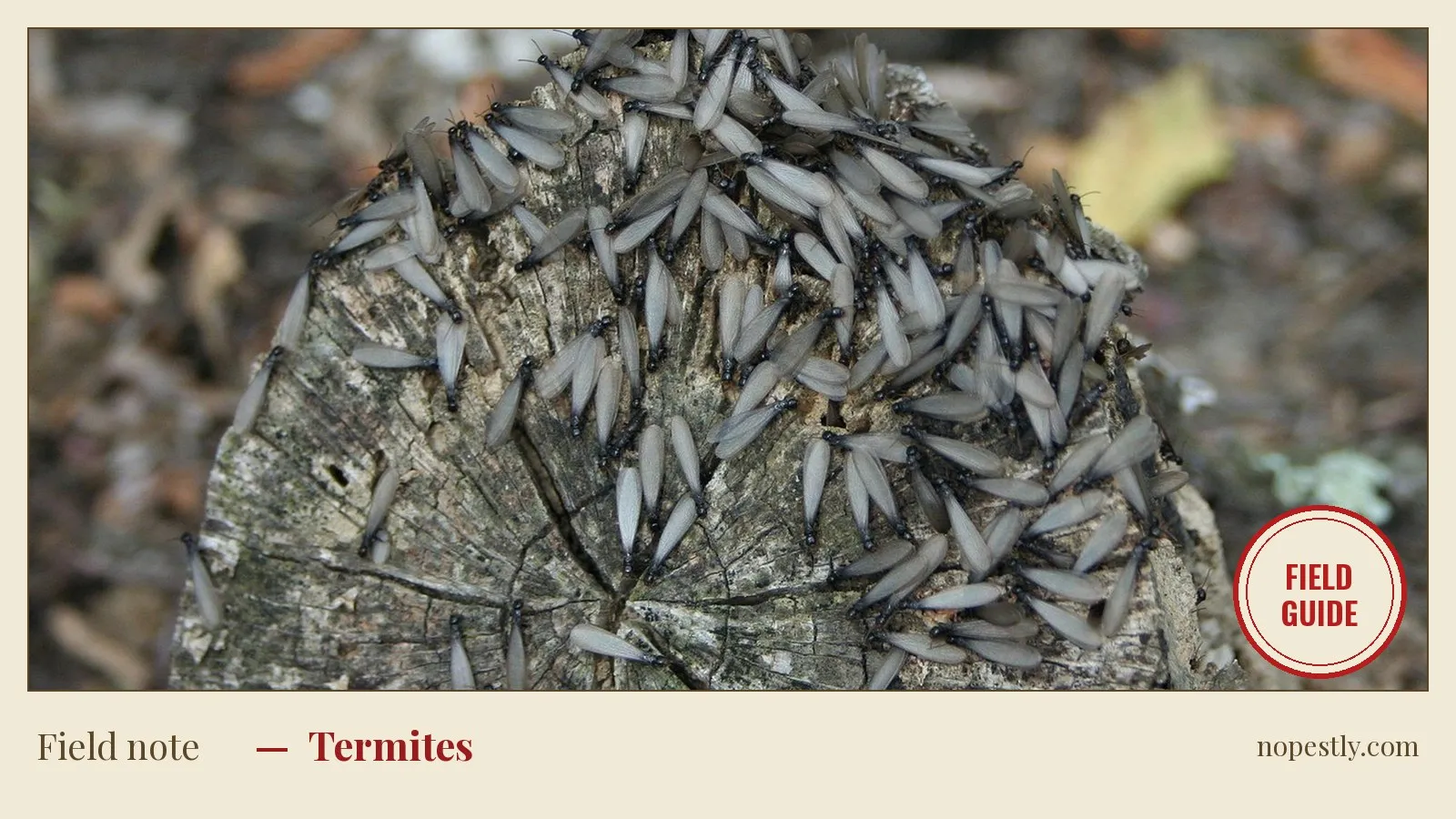
For a full walkthrough, see how to get rid of ants in the kitchen. If the ants are large or you see sawdust-like debris, read carpenter ants vs termites.
Why the order of use matters
Ant control works when the steps happen in the right order. First trace the trail and place bait, because the bait must be the most attractive food around. Then remove competing food and wipe trails away from the bait. Seal gaps only after ant numbers have fallen, since closing every entry too early can stop workers from carrying bait back. Outside, keep plants, grass and mulch back from the foundation so they cannot act as bridges into the house, and trim branches that touch the walls.
Plan for a few weeks of patience. More ants at the bait in the first days is a normal sign that it is being found, and spraying them at that point undoes the work. Refill or replace stations that are empty or dried out, and keep the kit handy for the next season, when early baiting before colonies grow makes the job easier.
Safety
- Keep all baits and products away from children and pets, and follow the label.
- Some products are restricted to licensed applicators, so do not use anything not meant for home use.
- Wash your hands after handling bait or caulk.
When to call a professional
Call a pest professional if ants keep returning after bait, cleaning and sealing, if you cannot find where they come from, if you see sawdust-like debris that may mean carpenter ants, or if ants are in large numbers inside walls. Ask for baits and spot treatments rather than a routine spray program.
Sources
 Save
Frequently asked questions
What is the single most useful tool for getting rid of ants?
Bait. Workers carry slow-acting bait back to the nest, where it can reach the queen and the rest of the colony, which sprays cannot do.
Do I need an ant spray?
Usually not. University extension guidance says indoor sprays are generally unnecessary, and outdoor perimeter sprays kill foragers but not the colony.
Should I buy prepackaged or refillable bait stations?
Prepackaged stations are the easiest and safest for home use but can dry out quickly. Refillable stations suit severe problems because you can top them up.
When is the best time to put out bait?
Late winter and early spring, before colonies grow large, is the most effective time. Starting later usually means more stations and more patience.